When you watch an experienced rider and horse move in harmony, it looks almost effortless. But that seamless connection begins with the right equipment and an understanding of how it works. At Pink Flamingo Stables, we believe that becoming a skilled equestrian starts on the ground with the fundamentals. Tack isn’t just decorative gear; it is the physical language you share with your horse. Here is your essential guide to understanding bits, bridles, and the subtle art of equine communication.
Tack 101: An Introduction to Bits, Bridles, and How They Communicate
Tack 101: An Introduction to Bits, Bridles, and How They Communicate
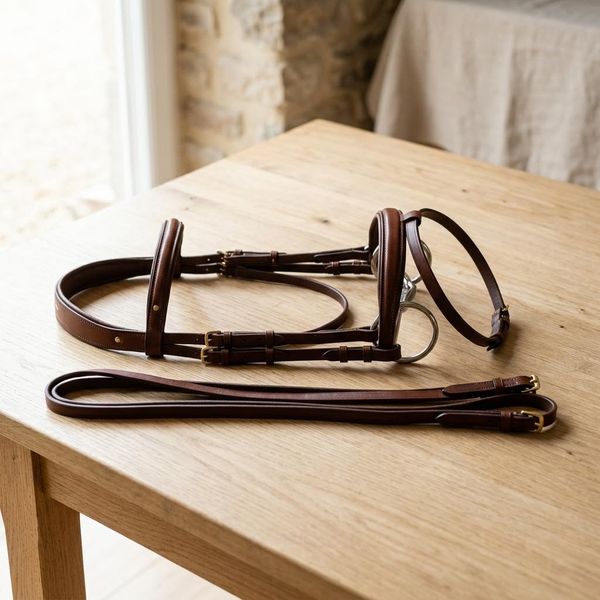
The Anatomy of the Bridle
The bridle is the headpiece designed to hold the bit comfortably in place and give the rider directional control. It consists of several leather straps, including the crownpiece that sits behind the ears, cheekpieces running down each side, the browband across the forehead, and the throatlatch under the jaw. Many bridles also feature a noseband. Working as a balanced unit, the bridle evenly distributes contact pressure across the head rather than concentrating it in a single sensitive spot.
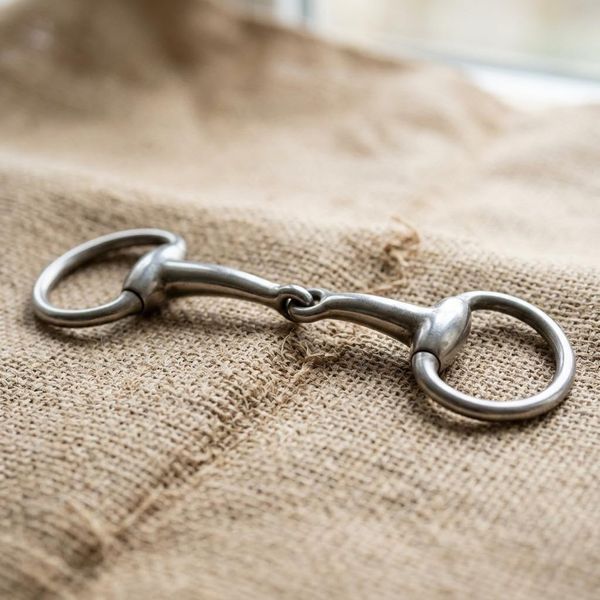
Finding the Sweet Spot: How the Bit Works
The bit sits in a natural gap between the horse’s front teeth and back molars, known as the "bars" of the mouth. Because there are no teeth in this area, the bit rests gently on the gums without causing discomfort when fitted properly. Rather than pulling or yanking, effective communication relies on slight variations in tension, gentle releases, and relaxed hands to ask for direction, balance, and pace.
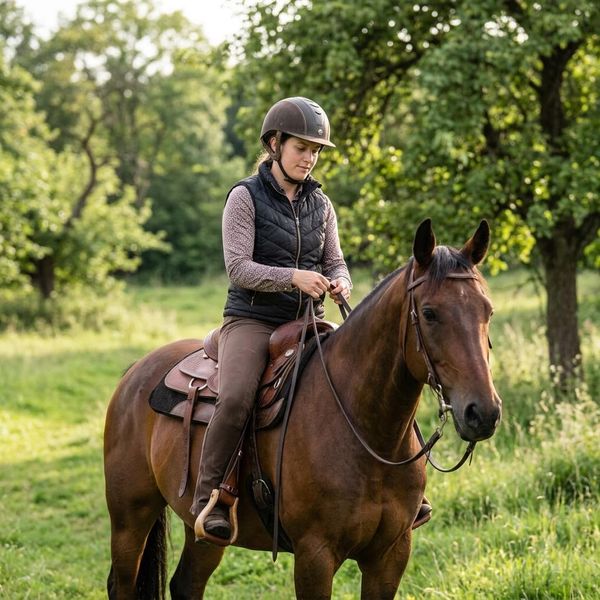
Snaffles vs. Curbs: Understanding the Difference
Most bits fall into two primary families: direct action (snaffles) and leverage (curbs). A snaffle bit applies direct, one-to-one pressure; an ounce of feel on the rein equates to an ounce of contact in the mouth. Curb bits use shanks to apply leverage, gently distributing pressure across the poll, chin groove, and mouth simultaneously. Beginners always start with mild, direct-action bits to cultivate quiet, sensitive hands.
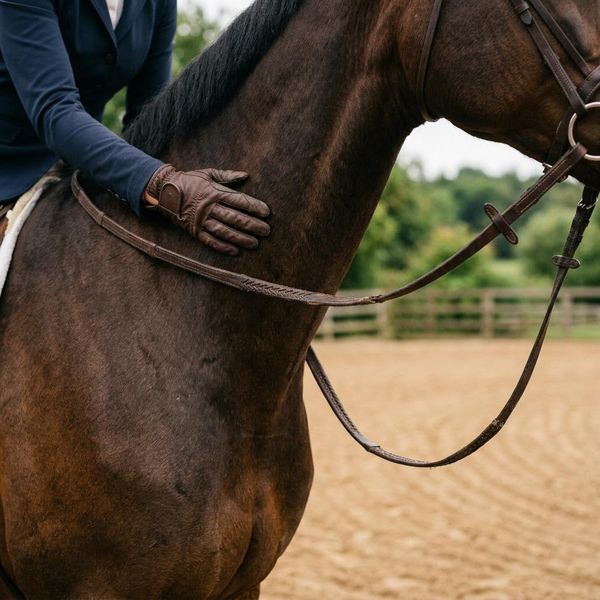
Communication Is a Two-Way Conversation
Tack works best when paired with the rider’s entire body—your seat, legs, and posture do most of the talking. The reins merely refine the message. When your hands remain steady and sympathetic, the horse learns to trust the contact, creating a smooth, responsive dialogue instead of a tug-of-war.
Visit Pink Flamingo Stables
Ready to put horsemanship theory into practice? Whether you are climbing into the saddle for the first time or brushing up on foundational riding skills, our patient instructors and gentle horses are here to guide you every stride of the way. Book your next private riding lesson or guided trail experience through our website and discover the art of riding done the Pink Flamingo way!